Source FDA Printed Plastic Champagne Glasses for Events, Weddings, and Bars
Compare 30 FDA printed plastic champagne glasses from Chinese manufacturers. Buyers can evaluate PS, PP, and PC materials, custom options, and packaging details for weddings, events, and bars.
Key considerations
Products List


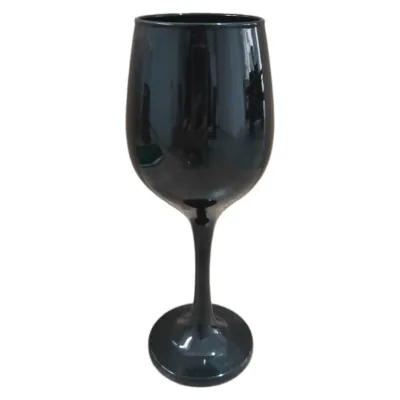
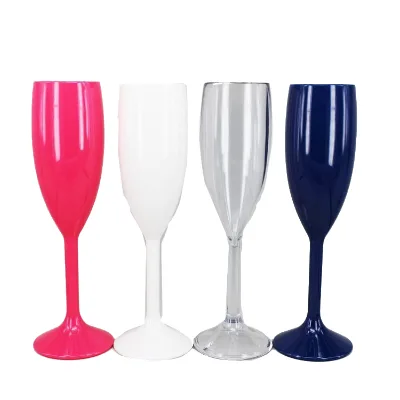

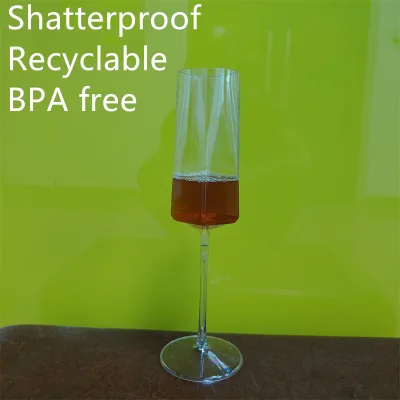
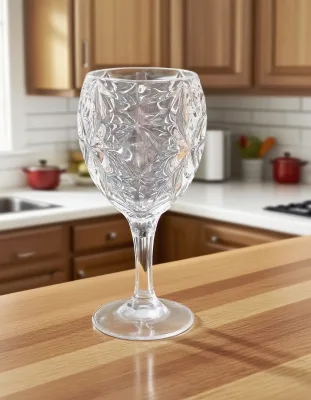
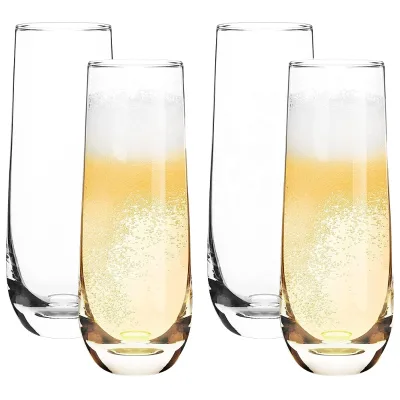
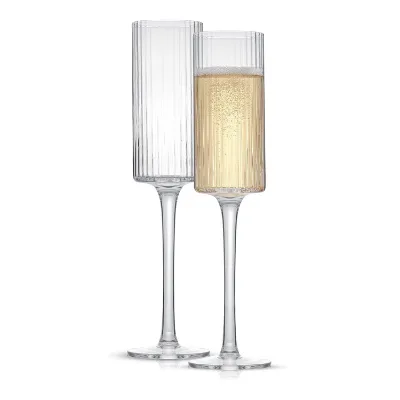
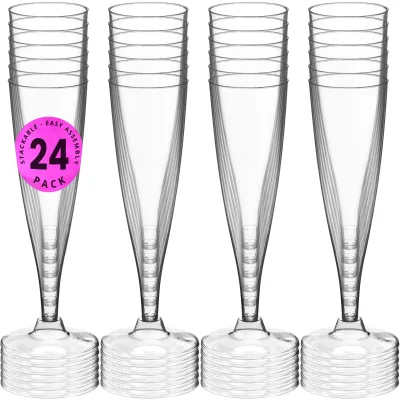


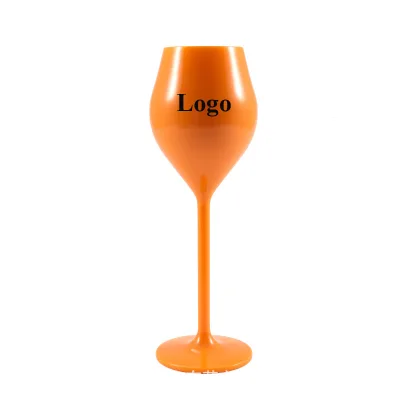
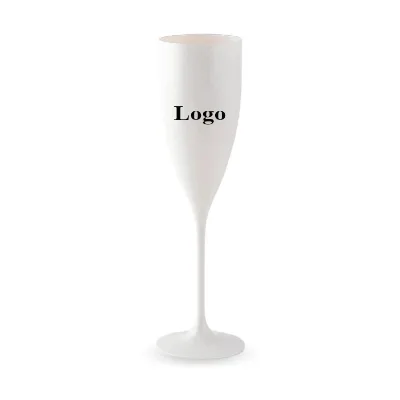

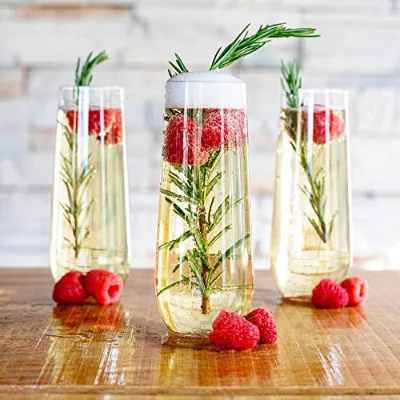


Comprehensive Sourcing Guide
Strategic Sourcing Guide for FDA-Compliant Printed Plastic Champagne Glasses
Understanding Product Specifications and Material Variability
When sourcing FDA-printed plastic champagne glasses, buyers must first navigate the complex landscape of material definitions and technical specifications. The market for these items is not monolithic; rather, it encompasses a diverse range of polymer types, each offering distinct performance characteristics. Based on available product data, the primary materials observed include Polystyrene (PS), Polypropylene (PP), and Polycarbonate (PC), with some listings also referencing Acrylic and AS (Acrylonitrile Styrene) blends. The selection of material is critical, as it directly influences the glass's clarity, weight, and durability. For instance, specific product models such as 1319-8 and 1001-3 are associated with PS and PP respectively, while other variants like 1133 and 1138B utilize PC or mixed plastic compositions.
The physical dimensions of these glasses vary significantly depending on the intended capacity and style. Standardized dimensions observed in the supply chain include heights ranging from approximately 205mm to 240mm, with diameters varying between 52mm and 84mm. Specific model numbers, such as 1001-3 and 1138B, correspond to precise standard measurements like T60H205MM and TD62H240MM. Buyers must verify that the selected model aligns with their specific volume requirements, as capacities observed in the market range up to 16 oz. Furthermore, the weight of the product is a key indicator of material density and perceived quality, with observed weights ranging from 72g to 125g. A heavier unit often suggests a thicker wall construction, which may be preferable for events requiring a more premium feel, whereas lighter units are often chosen for cost-sensitive, high-volume applications.
Compliance Verification and Certification Standards
For any food-contact product, particularly those intended for beverage service, verifying compliance with safety standards is the paramount step in the procurement process. The core keyword explicitly mentions "FDA," indicating a requirement for products that meet United States Food and Drug Administration regulations. Available product data confirms that FDA certification is a documented attribute for several listings in this category. However, buyers should not assume that all printed plastic champagne glasses automatically possess this status. It is essential to request current, valid FDA compliance documentation for the specific batch or model being purchased.
Beyond FDA, the supply chain often references additional certifications such as QS (Quality Safety) and CE. While QS is a recognized standard in certain markets, and CE indicates conformity with health, safety, and environmental protection standards for products sold within the European Economic Area, these should be treated as supplementary verification points rather than primary guarantees of food safety. The presence of these certifications suggests a supplier's commitment to broader quality management systems. Buyers must also be aware that while some background data mentions ISO 9001 or BSCI, these are organizational standards rather than direct product safety certifications. The primary focus must remain on the FDA clearance for the specific plastic material used, ensuring that no harmful substances migrate into the beverage.
Cost Drivers and Pricing Dynamics
The pricing structure for printed plastic champagne glasses is influenced by a confluence of factors, including material costs, customization complexity, and order volume. The observed price range in the market spans from $0.05 to $3.15 per unit. This wide variance is not arbitrary; it reflects differences in material quality, printing techniques, and order quantities. Lower-priced items typically correspond to simpler designs, standard PS or PP materials, and larger order volumes that benefit from economies of scale. Conversely, the upper end of the price spectrum often correlates with more complex printing processes, such as full-color or multi-color applications, and the use of higher-grade materials like PC or Acrylic which offer superior clarity and durability.
Customization is a significant cost driver. The product attributes indicate that customization is available, with options for colored and printed designs. The "Fancy" attribute, described as both "Colored" and "Printed," suggests that the visual appeal of the glass is a primary value proposition. Suppliers may charge premiums for custom molds, specific color matching, or intricate printing patterns that require additional setup time. Additionally, the Minimum Order Quantity (MOQ) plays a crucial role in the final unit cost. Observed MOQs range from as low as 1 unit to as high as 100,000 units. A buyer ordering a small quantity of a custom-printed design will face a significantly higher per-unit cost compared to a bulk order of a standard SKU. Buyers should anticipate that the "American Style" or "Fashioned Wine Glass" aesthetic may command a higher price point due to the perceived value of the design.
Typical Applications and Usage Scenarios
The versatility of FDA-printed plastic champagne glasses makes them suitable for a wide array of applications, from commercial hospitality to private events. The product attributes highlight that these items are designed for "Adult" use and are classified as "Reusable" and "Dishwasher Safe." This distinguishes them from single-use alternatives and positions them as durable assets for venues that prioritize sustainability and cost-efficiency over disposability. The "Eco Friendly" and "BPA Free" features further enhance their appeal for modern events where environmental responsibility is a key consideration.
In the hospitality sector, these glasses are ideal for hotels, bars, and restaurants that seek to reduce waste while maintaining a high-quality guest experience. The "Unbreakable" nature of plastic champagne glasses makes them particularly valuable for outdoor events, poolside service, or venues with high foot traffic where glass breakage is a safety concern. The "Simple" and "American Style" designs suggest a broad appeal that fits various decor themes, while the "Multicolor" and "Printed" options allow for branding opportunities for corporate events, weddings, or promotional campaigns. The specific capacity of 16 oz and the various height dimensions allow for serving different types of beverages, from sparkling wines to cocktails, making these glasses a flexible tool for beverage service professionals.
Supplier Evaluation and Production Capabilities
Evaluating a supplier for plastic champagne glasses requires a deep dive into their production capabilities, logistics, and quality assurance processes. The product origin is consistently listed as China, with specific mentions of Guangdong as a place of origin, a region known for its robust manufacturing infrastructure. Buyers should verify the supplier's capacity to handle the required order volume, as lead times observed in the market range from 15 to 30 days. This timeline can fluctuate based on the complexity of the printing process and the current production schedule.
Packing specifications are another critical area for evaluation. The data indicates standard packing configurations such as 1 piece per PE bag, 12 pieces per inner box, and 96 pieces per carton. However, carton dimensions vary, with observed sizes including 514246cm, 4839.545.5cm, and 615051cm. These variations affect shipping costs and storage requirements. A buyer must ensure that the supplier's packing method aligns with their logistics strategy to prevent damage during transit. Furthermore, the availability of customization options implies that the supplier must have in-house printing or decoration capabilities. Buyers should inquire about the supplier's ability to manage small batch customizations versus large-scale production runs, as this impacts flexibility and lead time.
Quality Control and Long-Term Procurement Considerations
Maintaining consistent quality in plastic champagne glasses requires a robust quality control (QC) framework. Given the "Reusable" and "Dishwasher Safe" attributes, the product must withstand repeated washing cycles without degrading in clarity or structural integrity. Buyers should establish clear acceptance criteria for visual defects, such as uneven printing, color fading, or surface scratches. The "Printed" and "Colored" attributes necessitate specific checks for ink adhesion and color fastness to ensure the design remains vibrant after use.
For long-term procurement, buyers should consider the lifecycle of the product. The "BPA Free" and "Eco Friendly" claims are not just marketing terms but indicators of material safety and environmental impact. Over time, the cost of replacing broken or degraded glasses can outweigh the initial savings of a cheaper, lower-quality product. Therefore, investing in higher-grade materials like PC or Acrylic, which offer better durability, may be more cost-effective in the long run. Additionally, maintaining a relationship with a supplier who can provide consistent quality and reliable lead times is essential for inventory management. Buyers should also monitor changes in material standards and certification requirements to ensure ongoing compliance.
Comparative Analysis of Product Attributes
To facilitate informed decision-making, the following table summarizes the key attributes observed across different product models, highlighting the variability in specifications that buyers must consider.
| Attribute | Model 1319-8 | Model 1001-3 | Model 1133 | Model 1138B |
|---|---|---|---|---|
| Material | PS | PP | Mixed (AS/PS/PC) | PC |
| Weight | 125g | 78g | 118g | 72g |
| Standard Size | T52*206mm | T60*H205MM | T84*220mm | TD62*H240MM |
| Carton Dim | 514246cm | 4839.545.5cm | 615051cm | 574452cm |
| Packing | 12/Inner, 96/Carton | 12/Inner, 96/Carton | 12/Inner, 96/Carton | 12/Inner, 96/Carton |
| Style | Simple | Simple | Fashioned | Simple |
| Certification | FDA, QS | FDA, QS | FDA, QS | FDA, QS |
This comparison illustrates that while the core functionality remains consistent, the specific material and dimensional choices allow buyers to tailor their procurement to specific needs. Whether prioritizing weight, capacity, or material clarity, the data supports a strategic approach to selecting the right product for the intended application. By carefully analyzing these attributes, buyers can optimize their sourcing strategy to achieve the desired balance of cost, quality, and compliance.
FAQs
What certifications do these glasses hold?
The products hold FDA and QS certifications for food safety. Buyers should verify specific batch documentation to ensure compliance with current regulations before placing orders.
Which materials are used for these glasses?
Common materials include PS, PP, PC, and Acrylic blends. Specific models like 1319-8 use PS while others may utilize PC for enhanced durability and clarity.
Can I customize the design and color?
Customization is available for colored and printed designs. Suppliers offer options for multicolor finishes and specific branding patterns to meet event or corporate needs.
What is the typical lead time for orders?
The standard lead time ranges from 15 to 30 days. This duration may vary depending on the complexity of the printing process and current production schedules.
How are the glasses packaged for shipping?
Items are packed as 1 piece per PE bag, 12 per inner box, and 96 per carton. Carton dimensions vary by model, affecting total shipping volume and cost.
Are these glasses reusable and dishwasher safe?
Yes, the glasses are reusable and dishwasher safe. They are designed for adult use and feature BPA-free materials for safe repeated washing and serving.